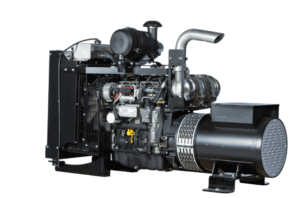
Top 5 Coolant Tube Issues & Early Detection for Effective Maintenance
Coolant tubes are vital for temperature control. Early detection of common failures, like leaks, electrochemical degradation, heat cracking, and abrasion, reduces costs and prevents engine damage. This article outlines these issues, their early signs, and inspection steps.
Coolant Tube Leaks: Causes & Detection
Leaks stem from material aging, mechanical damage, loose clamps, electrochemical degradation, and poor welds. Early recognition prevents coolant loss and overheating.
Aging & Material Fatigue
Thermal cycling, pressure, and chemical exposure degrade tube materials, causing elasticity loss and micro-cracking. This reduces sealing effectiveness. Early detection of stiffness, fissures, or brittle sections prevents failure.
Early Signs of Leaks
Look for puddles, low coolant levels, residue near fittings, or a sweet odor. Erratic temperature gauge behavior can also indicate leaks. Confirm with squeeze tests, visual inspection, and pressure decay tests. Prompt repairs prevent damage.
| Leak Cause |
Inspection Sign |
Mitigation |
| Aging / material fatigue |
Surface cracks, stiffness, soft or brittle spots |
Scheduled replacement, material upgrade (metal tubing or EPDM improvements) |
| Loose or failed clamps |
Coolant weep at clamp, moved clamp position |
Re-torque or replace clamps, use proper clamp type |
| Mechanical damage |
Abrasion marks, pinholes, impact dents |
Re-route, add protective sleeves, replace damaged sections |
| Electrochemical degradation |
Internal softening, localized internal cracking |
Grounding, ECD-resistant materials, material selection |
| Poor fittings/welds |
Weeping at welds, uneven bead, leaks under pressure |
Re-weld with inspection, use proper end-forming |
Electrochemical Degradation (ECD): Detection & Prevention

ECD involves stray electrical currents and galvanic action, causing internal material breakdown and premature leaks. Early detection prevents sudden failures.
Understanding ECD Damage
ECD breaks down polymers or corrodes metal internally, causing softening, cracking, or pitting. Stainless tubing, insulating dissimilar metals, and proper grounding mitigate risk.
Symptoms & Mitigation of ECD
Look for localized internal soft spots, cracking, unexpected pitting, and recurring leaks. Diagnostic checks include squeeze tests, cut-back inspections, and electrical continuity checks. Mitigation focuses on material selection, electrical isolation, and grounding.
| Material |
ECD Susceptibility |
Temperature Tolerance / Notes |
| EPDM rubber |
Moderate |
Good for many coolant systems; susceptible to ECD-related softening |
| 304 stainless steel |
Low |
ECD-resistant; high temp tolerance and recommended for aggressive environments |
| Aluminized steel |
Moderate-High |
Corrosion-prone if not properly coated; consider isolation from dissimilar metals |
Heat Damage & Cracking: Causes & Early Signs
Sustained high temperatures, thermal transients, or proximity to heat sources cause embrittlement, blistering, and cracking. This reduces elasticity and promotes micro-crack growth. Early detection through inspection and proper routing prevents thermal failure.
Impact of Extreme Temperature
High temperatures accelerate material degradation: rubber hardens and cracks, metal fatigue increases. Heat-resistant materials and proper routing are crucial.
Identifying Heat Damage
Look for surface crazing, hairline cracks, blistered coatings, or unusually hard/brittle areas, especially near bends and clamps. Use tactile and visual inspections. Address suspect areas promptly with monitoring, pressure checks, or replacement.
Abrasion & Physical Damage: Detection & Prevention

Abrasion and mechanical damage result from tubes rubbing against surfaces, sharp edges, or debris, often due to vibration. Proper routing, secure clamps, and protective sleeves prevent this. Early detection involves routine tactile and visual inspection.
Causes of Abrasion Damage
Abrasion is caused by vibration, contact with sharp edges, debris impact, or poor installation. Inspecting vibration points, clamps, and bends, and correcting routing errors, prevents damage.
Inspection Techniques for Abrasion
Technicians can detect abrasion using a practical checklist:
- Visual Sweep: Look for rub marks or missing coating.
- Tactile Check: Feel for thin or rough areas.
- Protective Cover Removal: Inspect material under sleeves.
- Tool-Assisted Look: Use mirrors or borescopes in tight areas.
| Inspection Method |
What It Detects |
Frequency / Tools |
| Visual sweep |
Surface abrasion, discoloration |
Weekly or monthly depending on duty cycle |
| Tactile check |
Thinning, rough spots |
During routine maintenance rounds |
| Sleeve removal |
Hidden wear under protection |
Quarterly or after heavy service |
| Borescope/mirror |
Hidden abrasion in tight routes |
As-needed during deep inspections |
Frequently Asked Questions
What maintenance practices can help extend the life of coolant tubes?
Regular inspections, high-quality materials resistant to ECD and heat, proper routing, and secure fittings extend tube life.
How often should coolant tubes be inspected for potential issues?
Visual inspections should be monthly; thorough checks quarterly or after heavy service. Critical systems may need more frequent checks.
What are the consequences of ignoring coolant tube maintenance?
Ignoring maintenance leads to overheating, engine damage, costly repairs, and unscheduled downtime.
Can coolant tube materials be upgraded to prevent degradation?
Yes, upgrading to ECD-resistant materials like stainless steel or high-temperature resistant materials enhances durability.
What role does proper installation play in coolant tube longevity?
Proper installation, including correct routing and secure fastening, prevents abrasion, leaks, and premature failure.
How can technicians detect electrochemical degradation in coolant tubes?
Technicians detect ECD by looking for soft spots, internal cracking, pitting, and recurring leaks. Diagnostic methods include squeeze tests, cut-back inspections, and electrical continuity checks.
Conclusion
Proactive coolant tube maintenance prevents costly downtime and ensures optimal engine performance. Understanding issues, implementing effective inspection, and using quality materials extend cooling system service life.