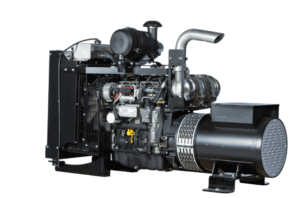
Choosing the right coolant tube is crucial for engine efficiency and longevity. This comparison focuses on the core differences between Original Equipment Manufacturer (OEM) and aftermarket coolant tubes, covering materials, performance, and durability.
Coolant Tube Fundamentals: Materials and Performance
Coolant tubes transport engine coolant, and their material composition directly impacts thermal management, pressure tolerance, and system reliability. Key materials include:
- Stainless Steel: High strength and corrosion resistance, suitable for heavy-duty applications.
- Silicone: Offers superior flexibility and a wider temperature range (−60°C to 260°C), often used in performance vehicles.
- Aluminum and Copper: Excellent thermal conductivity, used in heat exchangers.
Material properties like heat resistance, tensile strength, and chemical compatibility are vital. Heat resistance prevents premature aging, high tensile strength maintains integrity under pressure, and chemical compatibility ensures coolants don’t degrade the tube.
OEM Coolant Tubes: Advantages
OEM coolant tubes are designed and tested by the vehicle manufacturer, ensuring:
- Exact Fitment: Guarantees compatibility with factory routing and connections, reducing installation time and leak points.
Aftermarket Coolant Tubes: Innovation and Value
Aftermarket options often provide alternatives with enhanced features or cost savings:
- Customization and Material Choices: Offer specialized materials like multi-layer silicone or stainless steel assemblies for improved performance in extreme conditions.
- Cost-Effectiveness: Can be 10–30% less expensive than OEM parts initially, with potential for lower long-term costs through enhanced durability.
- Innovation: Some brands use advanced materials and manufacturing to exceed OEM specifications.
Performance Factors: Heat, Pressure, and Durability
The longevity and performance of any coolant tube depend on several factors:
- Heat Resistance: Crucial for withstanding engine bay temperatures and coolant spikes, preventing material degradation.
- Pressure Resistance: Ensures tubes can handle dynamic coolant system pressures without bursting or leaking.
- Chemical Compatibility: Prevents degradation from coolant formulations, avoiding embrittlement or swelling.
- Mechanical Stress and Vibration: Proper routing and robust construction minimize wear and maintain seal integrity.
For specialized needs, T-Lane Industries offers custom fabrication:
- Precision Bending: Utilizes CNC mandrel bending to maintain internal geometry and prevent flow restrictions.
- Custom Fabrication: Offers tubes in various materials (stainless steel, copper, aluminum) to exact specifications for OEM and heavy-duty applications.
- Quality Control: Includes dimensional inspection and hydrostatic leak testing for reliable performance.
Making an Informed Choice
When selecting coolant tubes, consider your specific operating conditions, performance requirements, and budget. While OEM parts offer guaranteed fit and warranty, high-quality aftermarket or custom solutions can provide enhanced durability and performance tailored to your needs.
Request a Quote to explore custom coolant tube options.
Frequently Asked Questions
Q: What is the main difference between OEM and aftermarket coolant tubes?
A: OEM coolant tubes are manufactured by or for the original vehicle manufacturer, ensuring exact fitment and adherence to original specifications. Aftermarket coolant tubes are produced by third-party companies and can offer variations in materials, performance, or cost, sometimes exceeding OEM standards.
Q: Can aftermarket coolant tubes be better than OEM?
A: Yes, in some cases. Aftermarket manufacturers may use advanced materials or designs that offer improved heat resistance, durability, or flexibility compared to standard OEM parts, especially for performance or specialized applications.
Q: How long do coolant tubes typically last?
A: The lifespan varies by material. However, factors like operating conditions, maintenance, and installation quality can significantly affect longevity.
Q: When should I consider custom coolant tubes?
A: Custom coolant tubes are ideal for unique or high-performance applications where standard OEM or aftermarket options may not suffice. This includes custom builds, modified engines, or vehicles operating in extreme conditions that require specific materials or dimensions.